
Natural anti-stress remedy for cats
Stress and stress control in cats
Dr Birgit Leopold-Temmler
 ‘Calming, natural substances counter stress and
 make cats’ lives easier.
This is why I recommend feeding specific anti-stress nutrients as a helpful addition to stress management in healthy and sick cats.’
Specialist veterinarian Dr Birgit Leopold-Temmler
Stress plays an important part in cats’ lives and can damage their quality of life and health, whether it is caused by being placed in a cat box, travelling in a car, going to the vet, moving house, having a new baby or another cat join the family. In addition to behavioural abnormalities, there are also cat diseases in which stress is known to play a role.
So there are plenty of reasons for preventing stress in cats. A very helpful addition to stress management in cats is available in the form of calming, natural substances that can be given, for example, in the form of a tasty paste like the Anti-Stress Paste from the GimCat Expert Line, which is recommended by vets.
Cats are sensitive in their reactions to change
Cats are creatures of habit. They like everything around them to remain unchanged: their territory, feed, people, other cats or pets, even the way the home is laid out or moving their litter tray or switching to a brand of cat litter that the cat does not find acceptable.
Changes cause cats stress. But every cat reacts differently. Known stress factors include being taken to the vet or cattery, noise and unfamiliar sounds, the arrival of new cats or people in their territory, changes in the home (new furniture, strange smells).
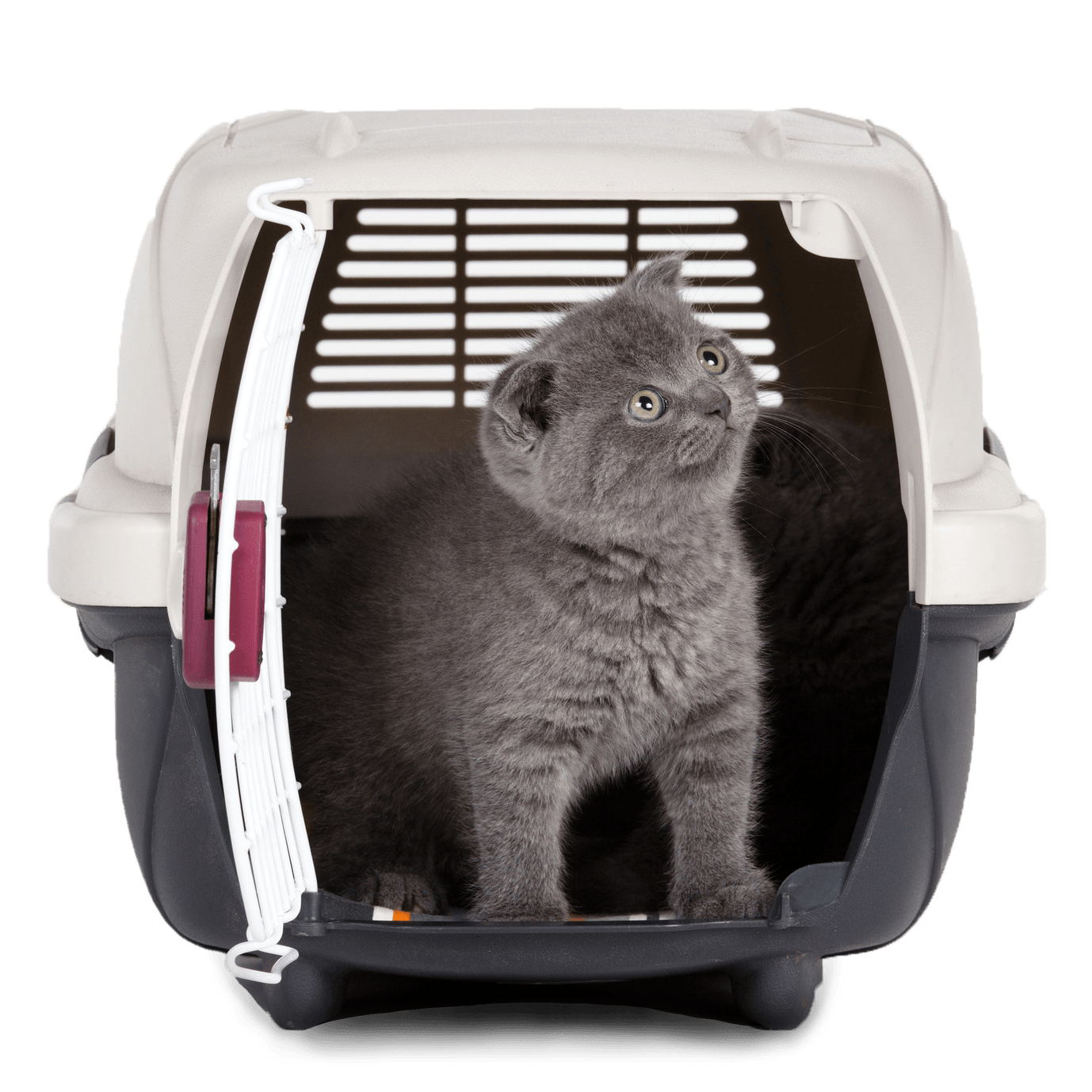 It is very important to choose a means of transport that is pleasant for the cat. The box or bag used to take the cat to the vet should open from above. Cats should always be familiarised with the transport box and travelling in a car in good time, ideally when they are kittens.
Cats are demanding
Cats do not like it if they do not have immediate access to what they regard as vital resources, for instance if they cannot get to the litter tray or if another cat is using it, if feed or water is not available, even if only for a short time, if they do not have enough places to hide and/or things to do.
Although many cats are not unsociable, stress problems are more common in homes with more than one cat . It is often hard to recognise a cat’s needs, as cat behaviour varies greatly. As a rule, if the natural, individual needs of a cat are, in the eyes of the cat, not met, this leads to frustration that triggers stress. Another factor is that cats by nature generally communicate from a distance. A brief ‘miaow’ in passing should be seen as a completely normal greeting.
So you should always wait for the cat to make contact or initiate activities such as playing or snuggling. But many cats develop a strong bond with their owner over time, and show this by increased physical contact and increased production of sounds such as purring or the typical brief contact sounds.
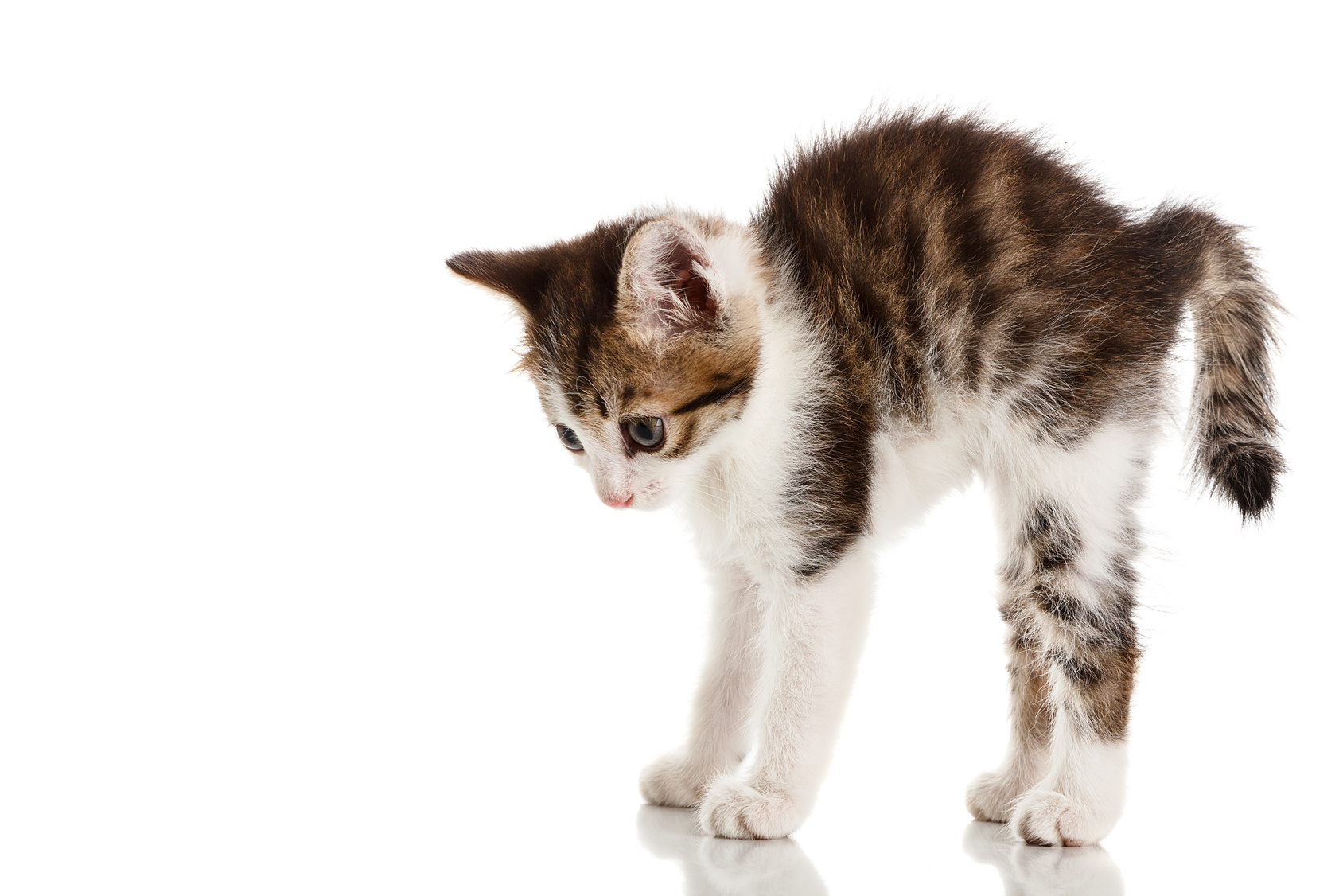 Some cats indicate stress through their posture. But the signs of stress and anxiety in cats can differ greatly.
Forms of behaviour associated with stress
These include avoiding the litter tray (the cat does its business in other places and is therefore no longer clean), urine marking (the cat does not sit down, but remains standing with its tail lifted high and sprays urine against the wall or objects), hiding, running away, miaowing, yawling, aggressive behaviour (scratching, snarling, biting). In addition, increased grooming (until the coat starts to thin or bald patches appear) and refusing food can be signs of stress.
Expert's tip!
Remember that unusual noise, sounds and new smells are stressful for cats. It is important that you check whether you have put out enough litter trays and whether there are enough places in which to rest and retreat.
Let your cat ‘take the lead’ when it comes to initiating contact. And take the opportunity of offering your cat a tasty paste with natural ingredients that will help prevent stress. It is beneficial for both healthy and sick cats.
It is not always easy to recognise stress in cats. So prevention is better than cure.
Cat diseases associated with stress
Some cat diseases are known to be triggered or aggravated by stress. These include urinary system diseases such as FLUTD (Feline Lower Urinary Tract Disease) and FIC (Feline Interstitial Cystitis, a non-infectious bladder inflammation) affecting female cats.
If a cat is no longer clean, you should always have a vet examine its urinary tract. Do not jump to the conclusion that this is a behavioural disorder. Another cat disease that can be aggravated by stress is Diabetes mellitus. Stress usually affects not only a cat’s well-being but also the normal function of its immune system. This is another reason why stress management is so important in cats.
Reducing stress - tips and tricks
It is not possible to avoid stress completely. But the stress factors described above can be reduced. Always make sure that enough resources in the form of litter trays (roughly: number of cats + 1 = number of litter trays needed), feeding stations, places to hide and retreat, and things to do are available.
Another factor is that cats live ‘in three dimensions’, which is why high places where they can lie down(scratching post, empty shelves, etc) are so important for cats.
How to avoid your cat becoming stressed
- Litter trays! Number of cats + 1 = minimum number of litter trays
- Cat litter! If you notice problems such as your cat not being clean, try a different type of cat litter
- Für Rückzugsmöglichkeiten (Katzenhaus/-höhle, alternativ z.B. Decke über einen Stuhl hängen) sorgen
- Provide hiding places (cat house/cat cave, or hang a blanket over a chair)
- If you need veterinary help, choose a cat-friendly practice
- Use natural substances for stress management
One very common problem is transporting cats in a transport box. You should choose a box that cats can enter from the front and the top, and for anxious cats the box should be covered while travelling. Curious cats often prefer a cat cage that allows them to see their surroundings.
It is important to get the cat used to the transport box and travelling by car early. So just put it down somewhere and put treats inside it, for example. You can also try to entice the cat into the box by offering a reward, such as a tasty paste. Most cats quickly get used to the new ‘piece of furniture’, and as cats are known to be curious, they usually investigate the box of their own accord after a while.
Wait until the cat has got used to the box before closing it and carrying it around in the home for a little while. Always offer a reward after this. You can gradually increase the amount of time the cat spends in the box, and eventually move on to driving with it, initially for very short periods.
NB: the cat should associate the box with something positive! The same applies to going to the vet. Force should not be used, especially methods like grabbing the cat by the scruff of the neck or other restrictive methods. If they are treated gently, many cats will accept that examinations, having blood taken or having X-rays made are nothing to worry about.
Adding specific anti-stress nutrients to a cat’s diet
A very helpful addition to stress management in healthy or sick cats is available in the form of calming, natural substances that can be given, for example, in the form of a tasty paste like the Anti-Stress Paste from the GimCat Expert Line, which is recommended by vets.

The natural ingredients in GimCat Anti-Stress Paste can help the cat relax, and so help to reduce stress. L-tryptophan (an amino acid) in particular is known to promote the production of the ‘happy hormone’ serotonin.
Other natural, plant-based ingredients in GimCat anti-stress paste, such as California poppy promote sleep and have calming, relaxing properties. St. John’s wort is a mild antidepressant that also has anti-inflammatory and painkilling effects. Beta glucan also reduces inflammatory processes in cats’ bodies that are induced by stress.


So the effects of the cat paste are:
- calming and anti-inflammatory
- Painkilling and beneficial to sleep
- Boosting serotonin (happy hormone)